Deep Conversation Starters for Dating, Friends & Work
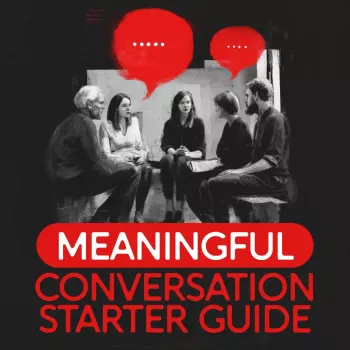
Meaningful Conversation Starter Guide: Deep Questions for Dating, Friendship, and Networking
Small talk has its place—it helps people ease in. But if the goal is real connection, a few thoughtful questions (asked with good timing) can help conversations feel natural, respectful, and memorable. Whether you’re meeting someone for a first date, catching up with a friend, or building a professional relationship, the difference usually comes down to two things: listening well and choosing questions that invite a real answer.
Below is a simple framework plus ready-to-use prompts organized by situation and comfort level, along with quick ways to keep the conversation moving without oversharing or turning it into an interview.
What Makes a Conversation Feel Meaningful
Meaningful conversations don’t require “perfect” questions. They require the right tone and a little care.
- Balance curiosity and consent: Ask, then watch for comfort cues (eye contact, relaxed posture, steady pace) before going deeper.
- Use open-ended questions: Prompts that invite stories tend to create warmth faster than yes/no questions.
- Share a small piece of context: After you ask, offer a brief related detail about yourself to reduce pressure.
- Follow up gently: “What was that like for you?” keeps the thread without forcing intensity.
- Aim for warmth and clarity over cleverness: The best questions are easy to answer and easy to build on.
If you want a quick refresher on listening skills that make people feel heard, the APA’s overview of active listening and communication is a useful baseline.
A Simple Flow: Warm-Up, Depth, Future
When conversations stall, it’s often because they skip steps. A smooth progression helps: start light, go deeper, then end with forward momentum.
- Warm-Up (1–3 minutes): light questions to establish comfort and tone.
- Depth (5–15 minutes): values, experiences, and what matters now.
- Future (2–5 minutes): what someone is looking forward to or working toward.
- Use the “ladder” technique: start specific, then zoom out to meaning (event → feeling → value).
- If the vibe changes: return to a lighter question or offer an exit: “Want to switch topics?”
| Step | Example question | Why it works |
|---|---|---|
| Warm-Up | What’s been the best part of your week so far? | Easy entry and invites a short story |
| Depth | What made that meaningful to you? | Moves from event to value without getting heavy |
| Future | What are you excited about in the next month? | Creates momentum and reveals priorities |
| Bridge | How did you get into that? | Encourages narrative and shared discovery |
Deep Conversation Starters That Still Feel Natural
Deep doesn’t have to mean intense. The most “real” questions are often practical and present-tense.
Dating: Questions That Build Connection Without Rushing Intimacy
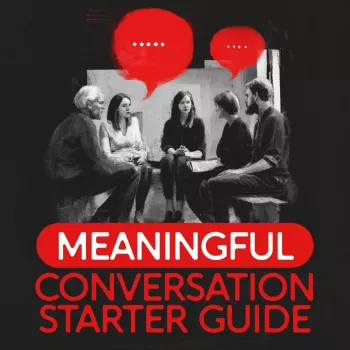
If you want an easy, pick-and-go list you can glance at before a date or call, see the Meaningful Conversation Starter Guide (printable).
Friendship: Questions That Strengthen Trust and Make Room for Real Life
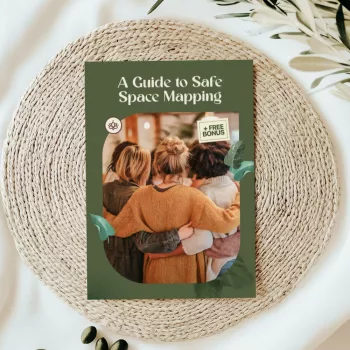
For sensitive conversations, having a shared language for comfort and boundaries can help. A companion read is A Guide to Safe Space Mapping, especially if your friend group is navigating change, stress, or conflict.
Networking: Conversation Starters That Don’t Feel Transactional
If you’d like inspiration for keeping conversations respectful and engaging, Celeste Headlee’s TED talk, How to Have Better Conversations, offers practical habits you can use immediately.
Keeping the Conversation Going: Follow-Ups That Add Depth
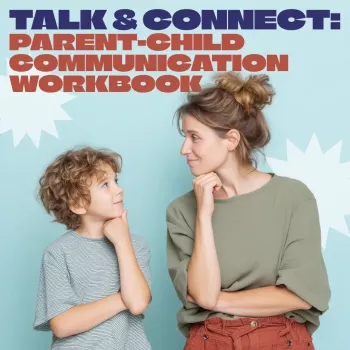
On days when you’re socially drained, a short reset can make it easier to show up with patience and attention. The 5-Minute Reset for Exhausted Parents is designed for quick grounding—useful before a call, meetup, or event, even if you’re not a parent.
Printable Conversation Starter Guide: A Ready-to-Use Set for Any Setting
A printable guide is most helpful when you want a low-pressure way to pick one good question and then listen longer. The Meaningful Conversation Starter Guide (printable) is organized by mood (light, meaningful, deep) and context (date, friends, work), with example follow-ups so the conversation doesn’t stall after a strong answer.
| Situation | Goal | Suggested question style |
|---|---|---|
| First date | Create comfort and warmth | Values + light stories |
| New friendship | Build trust gradually | Support + shared experiences |
| Coffee networking | Learn and be memorable | Work challenges + curiosity |
| Group dinner | Include everyone | Low-stakes “everyone can answer” |
Common Pitfalls (and Quick Fixes)
For more on why small talk matters (and how it can open the door to better conversation), Psychology Today’s overview of communication and small talk is a helpful read.
FAQ
What are some deep conversation starter questions?
Try questions that invite values and growth, like: “What’s something you’ve changed your mind about recently?”, “When do you feel most like yourself lately?”, or “What helps you feel supported when life gets stressful?” If you’re not sure it’s welcome, ask permission first (“Can I ask something a little more personal?”) and follow with a gentle prompt like “What was that like for you?”
What are 5 good conversation starters?
Five versatile options: “What’s been the best part of your week?”, “What are you into lately?”, “What’s something you’re looking forward to?”, “What’s a small win you’ve had recently?”, and “What’s a simple joy you’ve been appreciating?” They’re easy to answer and naturally lead to stories.
What are some good conversation starters for networking?
Ask about real work and learning: “What’s the most interesting problem you’re solving right now?”, “What’s a project you’re proud of?”, “What’s a skill that’s become more important lately?”, “What are you hoping to explore next?”, and “Who should I meet if I’m curious about this space?” These keep it human while still being useful.








Leave a comment