Fuel Your Life: Repeatable Healthy Eating System (PDF+Audio)
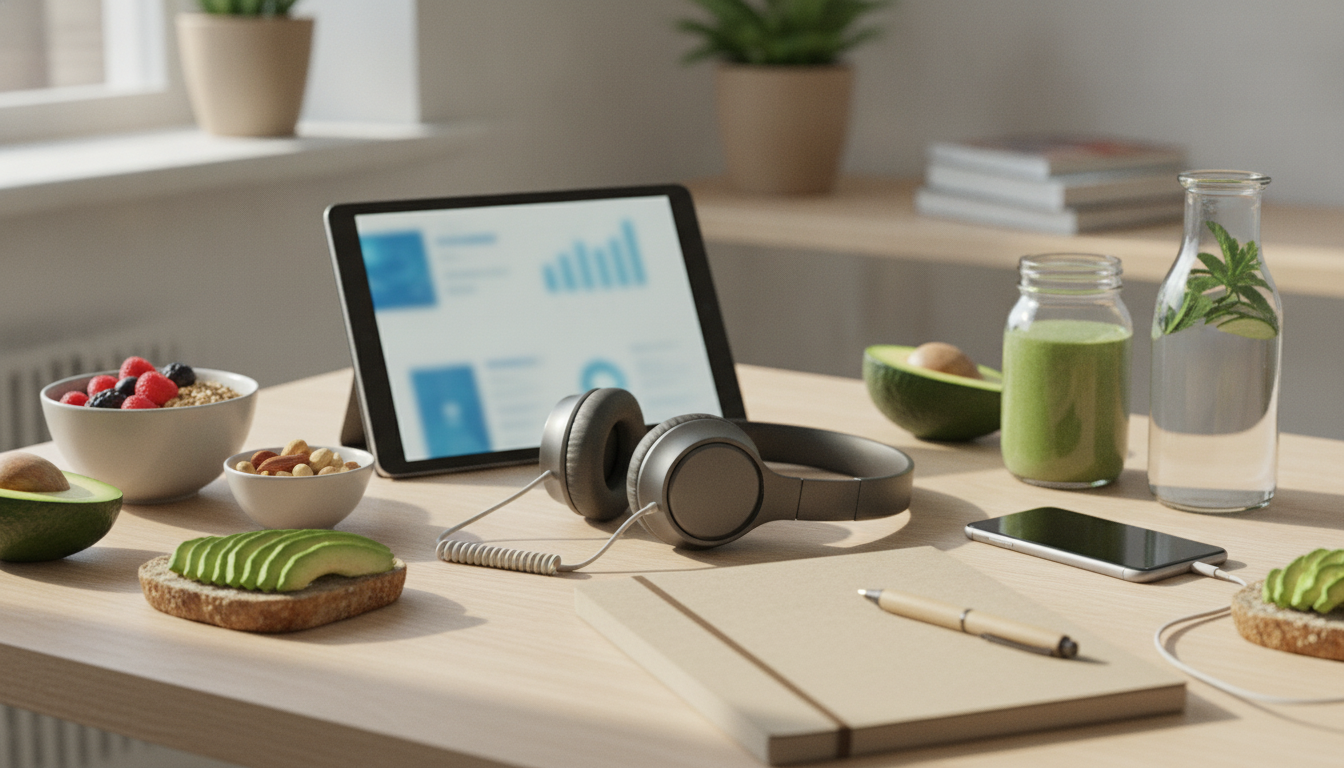
Fuel Your Life: A Simple Healthy Eating System You Can Actually Repeat
Healthy eating tends to fall apart when it’s treated like a one-time makeover instead of a repeatable routine. The good news: once a few basics are organized into a clear system, everyday choices—meals, snacks, grocery runs, and small habits—start to feel far less overwhelming.
Fuel Your Life: The Ultimate Healthy Eating Starter Bundle (PDF + Audio) is built for that “start here” moment: practical guides you can skim and revisit, paired with audio learning for days when reading time is limited. It’s designed to help you move from scattered nutrition tips to a steady, doable rhythm.
What This Starter Bundle Helps With
- Turning broad nutrition advice into a practical day-to-day structure
- Building balanced meals without complicated rules
- Making grocery shopping simpler with clear priorities
- Staying consistent using short listening sessions when reading time is limited
- Reducing decision fatigue by using repeatable templates and checklists
For evidence-based fundamentals that align with this approach, see the Dietary Guidelines for Americans, Harvard’s Nutrition Source, and the World Health Organization healthy diet guidance.
What’s Included in the 4-in-1 Digital Download
- PDF resources for quick reference, re-reading, and note-taking
- Audio versions to learn while commuting, walking, or meal prepping
- Step-by-step guidance designed for beginners who want a straightforward starting point
- A bundled format that keeps key concepts and actions in one place
- Instant-access style format typical of digital downloads (no physical shipping)
Bundle Format at a Glance
| Component | Best for | How to use it in a week |
|---|---|---|
| PDF guides | Skimming, highlighting, saving key pages | Read 10–15 minutes, then pick 1 action to practice |
| Audio lessons | Learning during busy days | Listen 15–20 minutes during a walk or commute |
| Checklists/templates (within the bundle) | Reducing guesswork | Use for a 1-shop grocery plan and 3 repeat meals |
| 4-in-1 bundle structure | Keeping everything organized | Rotate topics: meals → shopping → habits → review |
A 7-Day Starter Plan Using the PDF + Audio
If healthy eating has felt like a constant restart, try a one-week “minimum effective routine” that focuses on repetition and small wins.
- Day 1: Choose one achievable goal (example: add a protein source at breakfast).
- Day 2: Build one balanced plate: protein + fiber-rich carbs + colorful produce + healthy fat.
- Day 3: Create a “repeat meals” list (3 breakfasts, 3 lunches, 3 dinners) to reduce choices.
- Day 4: Do a simple pantry and fridge scan; note what supports the plan and what doesn’t.
- Day 5: Shop once with a short list focused on core staples.
- Day 6: Prep one component (washed greens, cooked grains, roasted veggies, or a protein).
- Day 7: Review what was easiest and keep that as the baseline for next week.
The goal isn’t a perfect menu. It’s a default plan you can execute even on hectic days—then adjust one small element at a time as your confidence builds.
Healthy Eating Made Practical: The Core Building Blocks
Instead of chasing “best” foods, focus on building meals from a few anchors that support energy, fullness, and consistency.
- Protein: supports fullness and steady energy (eggs, yogurt, beans, fish, poultry, tofu).
- Fiber: supports digestion and helps with satisfaction (oats, lentils, berries, vegetables, whole grains).
- Healthy fats: support flavor and staying power (olive oil, nuts, seeds, avocado).
- Hydration: a simple baseline for energy and appetite cues (water, unsweetened tea, sparkling water).
- Consistency beats perfection: repeating a few solid meals often works better than frequent overhauls.
A useful mindset: aim for “balanced enough” most of the time. When you have a go-to structure (protein + fiber + produce + fat), you can make hundreds of meals without needing complicated rules.
Shopping and Pantry Staples That Keep You on Track
A realistic grocery strategy reduces the chance that hunger or time pressure forces last-minute choices. Think in categories, not elaborate recipes.
- Choose 2–3 proteins for the week (mix quick and cook-ahead options).
- Add 2–4 produce anchors you can use multiple ways (greens, carrots, onions, frozen vegetables).
- Pick one or two flexible carbs (rice, potatoes, oats, whole-grain bread, quinoa).
- Keep flavor builders (lemon, salsa, vinegar, herbs/spices) to prevent boredom.
- Plan realistic snacks (fruit, nuts, yogurt) so hunger doesn’t drive impulse decisions.
When your pantry supports your plan, the “right choice” becomes the easy choice—especially on weekdays when willpower is not a reliable strategy.
Who This Bundle Fits Best
- Beginners who want structure without complicated meal rules
- Busy schedules that make audio learning more practical than long reading sessions
- Anyone rebuilding habits after a break and needing a reset routine
- People who prefer a guided, step-by-step approach instead of piecing together advice from many sources
How to Use Audio Learning to Stay Consistent
Audio works best when it’s tied to a habit you already do—so it doesn’t become “one more task.”
If stress and mental load make healthy routines harder to stick with, pairing nutrition structure with quick resets can help. For additional support, consider 5-Minute Reset for Exhausted Parents (3 in 1) | Audio Course for short calm-down and energy-boost listening sessions that fit into busy days.
Recommended Digital Tools You Can Add (Optional)
- Fuel Your Life: The Ultimate Healthy Eating Starter Bundle | 4-in-1 Bundle Digital Download | Healthy Eating PDF + Audio
- 5-Minute Reset for Exhausted Parents (3 in 1) | Audio Course | Mindfulness Breathing, Emotional Reset & Energy Boost
- The Empowered Budgeting Toolkit | 4-in-1 Bundle| Budget Planner & Excel Guide| Monthly Expense Savings, Wealth Strategies & Guided Affirmations for Wealth
FAQ
What foods should I avoid for healthy eating?
Limit ultra-processed foods that are high in added sugars, refined grains, and excess sodium, and cut back on sugary drinks and frequent deep-fried foods. Instead of strict bans, aim for a pattern where minimally processed options show up more often, and adjust for personal needs or medical guidance.











Leave a comment